
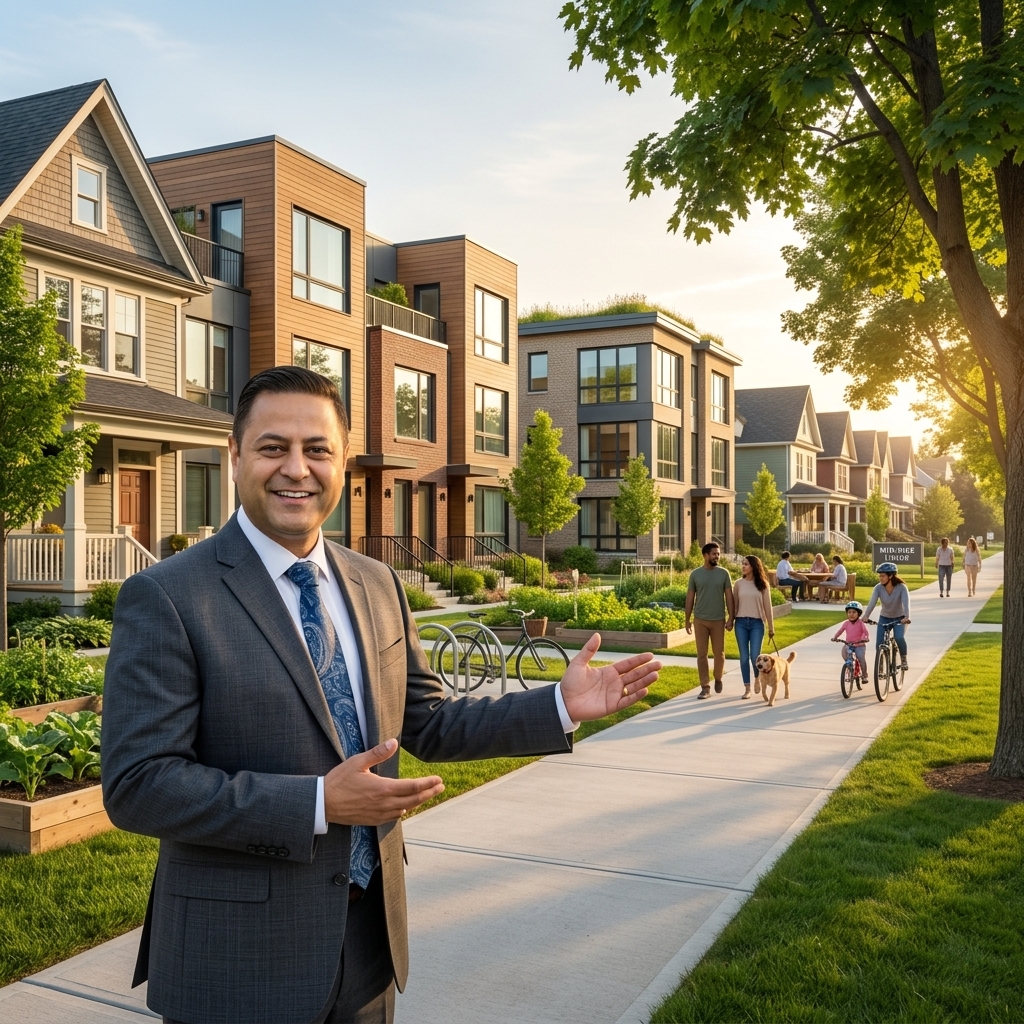
Canada Housing Supply: Why Building More Homes Requires Better Planning | Rob Athwal
By Rob Athwal
For years, the narrative surrounding the Canada housing supply crisis has been frustratingly simple: Just build more. But if you look closely at the skylines of our major cities, cranes are everywhere. So, why are everyday Canadians still struggling to find a place to call home?
The truth is, solving the Canadian housing crisis requires more than just increasing construction numbers. It requires thoughtful planning, appropriate housing types, and a shift in how we approach community development Canada.
As an industry voice, Rob Athwal (often searched as RobAthwal) emphasizes that the future of our cities depends on building with purpose. Here is why simply pouring more concrete isn’t enough, and how we can actually fix housing affordability in Canada.
The Illusion of “Just Build More”
When policymakers talk about housing construction Canada, the focus is often purely on volume. However, building 10,000 luxury condominiums does nothing to help a young family looking for a starter home.
To genuinely impact the Canada housing supply, we need to align what we build with what people actually need. This means pivoting away from cookie-cutter developments and focusing on affordable housing Canada initiatives that cater to diverse income levels, family sizes, and lifestyles.
Key Takeaway:
Volume without vision just creates concrete jungles. We need to build homes, not just housing units.
The Untapped Power of Infill Development Canada
One of the most effective, yet underutilized, solutions to the housing crisis is infill development Canada. Instead of sprawling outward and destroying green spaces (urban sprawl), we need to build up and within our existing neighborhoods.
Infill development involves adding new housing types—like laneway homes, duplexes, and low-rise apartments—into already established urban areas.
Why is this a game-changer?
- Utilizes Existing Infrastructure: Roads, transit, schools, and hospitals are already built.
- Boosts Local Economies: New residents support local shops and services.
- Preserves Nature: Keeps forests and farmland outside the city intact.
By embracing smart housing development Canada strategies, we can gently increase density without losing the charm and character of our beloved neighborhoods.
Reviving the “Missing Middle” in Residential Construction Canada
If you look at the housing stock built between 1940 and 1970, you’ll notice a lot of townhouses, fourplexes, and low-rise walk-ups. Today, residential construction Canada is dominated by two extremes: single-family detached homes (which are now unaffordable for most) and high-rise condo towers.
We are missing the “Missing Middle.”
To fix the Canada housing supply issue, we must champion multi-unit housing Canada that fits seamlessly into existing streetscapes. Townhouses, stacked townhomes, and boutique low-rise buildings offer the perfect bridge. They provide the density needed to make housing affordability a reality, while still offering the private entrances and outdoor spaces that Canadians desire.
Building with Purpose: Quality Over Quantity
At the core of Rob Athwal’s philosophy is the idea of “building with purpose.” The Canadian construction industry is world-renowned for its quality, but we must ensure that this quality translates to long-term community value.
Building with purpose means:
- Sustainability: Using energy-efficient materials to lower utility costs for residents.
- Durability: Constructing homes that will last for generations, reducing long-term maintenance costs.
- Inclusivity: Designing spaces that are accessible to seniors, people with disabilities, and multi-generational families.
When we prioritize quality in housing construction Canada, we aren’t just solving a short-term supply issue; we are investing in the long-term health and happiness of our communities.
Conclusion: A Blueprint for the Future
The Canada housing supply challenge is undeniably complex, but it is not unsolvable. By shifting our focus from sheer volume to strategic, purpose-driven planning, we can turn the tide.
Embracing infill development Canada, reviving missing-middle multi-unit housing Canada, and prioritizing affordable housing Canada are not just industry buzzwords—they are the blueprints for a thriving future.
As RobAthwal and many forward-thinking leaders advocate, it’s time we stop just building more, and start building better. After all, a home is the foundation of a community, and every Canadian deserves a solid foundation.
What are your thoughts on the future of Canadian housing? Are we building the right types of homes? Share your thoughts in the comments below, and share this article with someone who cares about the future of our communities!