
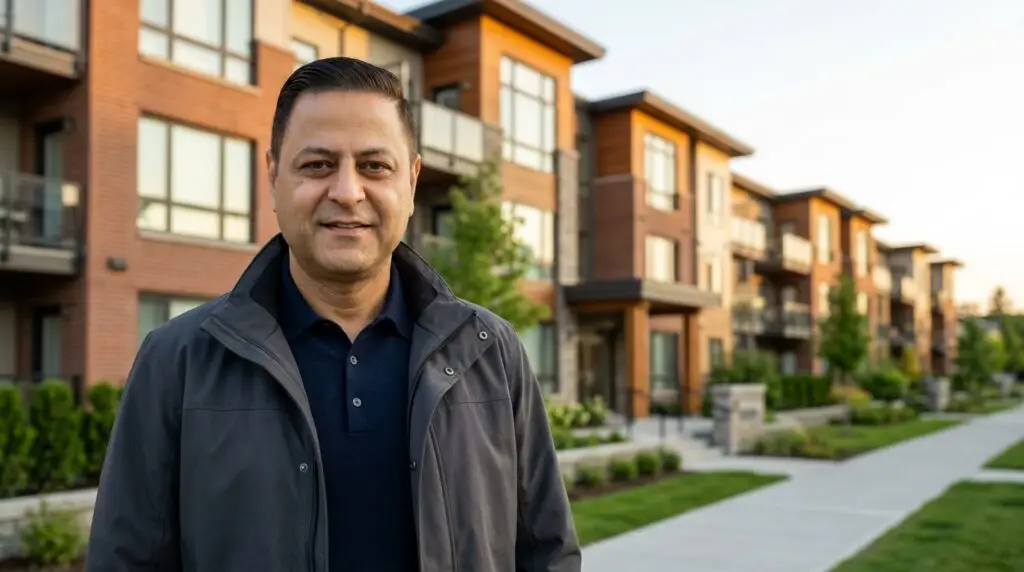
Affordable Housing in Canada: Why Value Is More Than the Price Tag
When we talk about Affordable Housing Canada, the conversation almost always starts with one number: the price tag.
But true affordability is a much bigger equation. A lower upfront cost doesn’t automatically guarantee long-term affordability. In fact, cheap construction today can quickly become an expensive burden tomorrow.
For Canada’s housing sector, the challenge isn’t just to build more homes. It’s to build homes with purpose. We need to think about quality, value, location, and the long-term experience of the people who actually live in them.
Here is why we need to look beyond the initial price and what truly defines affordable housing in Canada.
The Hidden Costs of “Cheap” Housing
It is easy to look at a low purchase price or a below-market rent and think, “This is affordable.” But housing is where people live their everyday lives. If a home is poorly built, badly located, or expensive to maintain, the initial savings will quickly disappear.
True affordability isn’t just about what you pay on day one. It is about what you pay—and how you live—over the next 10, 20, or 30 years.
7 Factors That Define True Housing Affordability
To understand the real cost of housing, we have to look at the complete picture. Here are the seven critical factors that shape long-term housing value.
1. Location & Accessibility
Where a home is located dictates your everyday lifestyle. A cheaper home far from the city center might save you money on the mortgage, but it could cost you hours in traffic every week. Proximity to work, schools, healthcare, and grocery stores is a massive part of the affordability equation.
2. Transportation & Commute
Housing cost and transportation cost are deeply connected. If a home is located in an area with poor public transit, residents are forced to rely on personal vehicles. The added costs of gas, insurance, and vehicle maintenance can easily wipe out the savings of a “cheaper” home.
3. Utilities & Energy Efficiency
A well-built home is an energy-efficient home. Proper insulation, high-quality windows, and modern HVAC systems keep utility bills low. Poorly constructed affordable housing often leads to skyrocketing heating and cooling costs during harsh Canadian winters and summers.
4. Long-Term Maintenance
A home is not a one-time expense; it is an ongoing commitment. The cost of maintaining a building over time is a huge part of the long-term housing experience. If corners are cut during construction, the repair bills in year five will be much higher than the initial savings.
5. Construction Quality
There is a vital distinction between cost-conscious construction and simply cutting fundamentals. “Affordable” should never mean sacrificing the basics of good building. Quality materials, proper structural integrity, and durable finishes ensure that the home stands the test of time.
6. Everyday Usability
A home needs to function for the people living in it. Thoughtful layouts, adequate storage, natural light, and logical room flow contribute to how people experience their space. Good design doesn’t have to be expensive, but it does have to be intentional.
7. Community & Services
Housing doesn’t exist in a vacuum. The surrounding neighbourhood—parks, community centers, safety, and social infrastructure—adds immense value to a home. A truly affordable housing project integrates seamlessly into the broader community.
Building With Purpose: The Rob Athwal Approach
At the core of the Rob Athwal | RobAthwal construction and housing philosophy is a simple belief: Quality + Value + Planning + Housing + Community.
The goal is to think beyond the construction milestone and consider the people who will ultimately use the building. By focusing on purposeful planning and responsible construction, we can create housing that is not just affordable on paper, but affordable and valuable in real life.
Conclusion
Affordable housing is a critical part of Canada’s future. But affordability isn’t one-dimensional. Price matters, absolutely. But so do location, transportation, maintenance, quality, and everyday usability.
We must stop asking only, “What does this home cost today?” and start asking, “What value does this home provide over time?”
Build for today. Think about tomorrow. Build with purpose.
About the Author:
Rob Athwal | RobAthwal is a dedicated professional in the Canadian construction and affordable housing sector, focused on building sustainable, high-quality, and purpose-driven communities across Canada.