
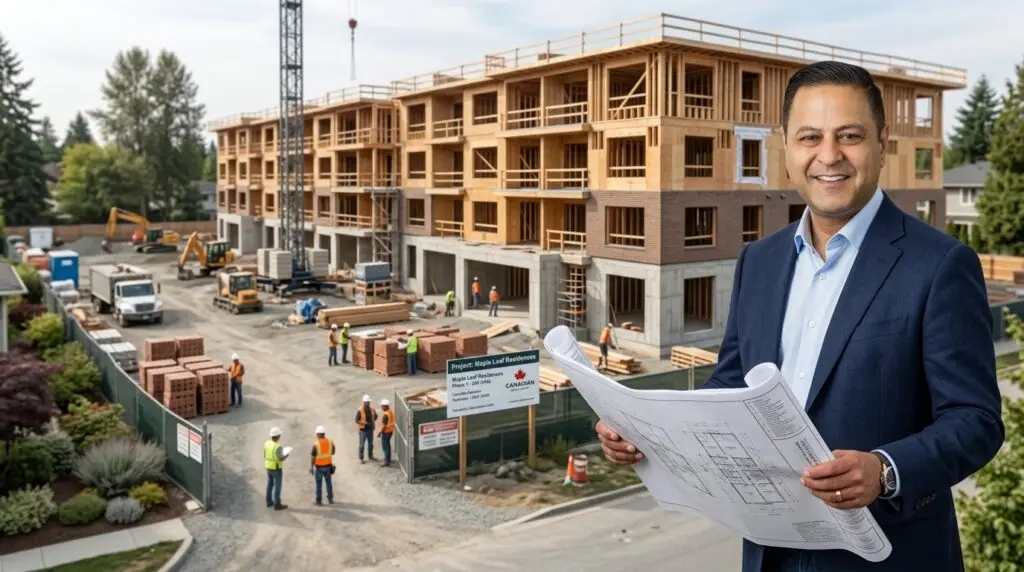
Construction Cost Management Canada: Smart Budgeting, Material Procurement and Lasting Quality
Construction projects require more than an initial budget and a list of materials. Successful project coordination involves understanding the scope of work, estimating costs, planning procurement, monitoring expenditure and evaluating decisions against quality requirements. In Canada’s residential and commercial construction sectors, these activities can help project teams make informed decisions while protecting the intended performance and durability of a building.
Construction cost management in Canada is an ongoing process that connects financial planning with procurement, scheduling, quality control and long-term building value. The objective is not simply to spend less. It is to use available resources responsibly while meeting the project’s approved requirements.
For Rob Athwal | RobAthwal, building with purpose means recognizing the relationship between cost awareness, practical construction planning, responsible material selection and lasting value.
1. Start with a Clearly Defined Project Scope
Reliable cost planning begins with a clear understanding of the work required. Before preparing estimates or requesting supplier quotations, project teams should review architectural drawings, specifications, quantities, schedules and relevant assumptions.
Unclear requirements can lead to inconsistent quotations, unexpected expenditure and disagreements about what is included in the project.
A structured scope review helps project participants identify the intended work, understand responsibilities and recognize potential uncertainties before construction progresses.
For residential and multi-unit housing developments, this process is particularly useful when coordinating multiple trades, material requirements, delivery schedules and construction activities.
Key consideration: A realistic budget begins with a well-understood scope of work.
2. Prepare Realistic Construction Cost Estimates
Construction estimation involves evaluating the resources required to complete the approved scope. Depending on the project, this may include materials, labour, equipment, subcontracted work, transportation and other relevant expenses.
Estimates should reflect the project’s actual requirements rather than relying exclusively on preliminary assumptions or the lowest available quotation.
A responsible estimating process should identify uncertainties, document assumptions and account for relevant project-specific conditions. Where appropriate, teams should also establish how potential changes and unforeseen requirements will be assessed.
Cost estimates become more useful when they are reviewed and updated as additional information becomes available.
For Canadian construction projects, the relevant location, project type, material availability, labour requirements and construction schedule may all affect cost planning.
Key consideration: An estimate is a decision-making tool, not a guarantee that the final expenditure will remain unchanged.
3. Coordinate Material Procurement with the Construction Schedule
Construction material procurement connects project specifications with the products and supplies required on site. Procurement decisions influence purchasing costs, delivery coordination, storage requirements and the availability of materials when construction activities need them.
The process should begin with a clear understanding of the approved specifications, quantities, delivery arrangements and planned construction sequence.
Comparing supplier quotations can help teams assess pricing and commercial terms. However, comparisons are meaningful only when the proposed products meet equivalent project requirements.
Procurement planning should also consider:
- Material suitability: Products should be appropriate for their intended application and meet the project’s approved requirements.
- Delivery timing: Deliveries should align with site readiness, storage capacity and the construction programme.
- Supplier communication: Orders, quantities, delivery dates and any changes should be recorded clearly.
- Material storage: Appropriate handling and storage arrangements can help protect products from damage or deterioration.
- Alternative products: Proposed substitutions should be reviewed and approved by the appropriate project professionals before implementation.
When procurement is coordinated with construction planning, teams can make better-informed purchasing decisions and reduce avoidable disruption.
Key consideration: Effective procurement balances cost, suitability, delivery timing and quality.
4. Monitor the Budget Throughout the Project
A construction budget requires regular review as the project progresses. The original estimate provides a starting point, but actual expenditure and approved changes may differ from the initial plan.
Budget monitoring involves comparing estimated costs with current commitments, actual spending and approved variations. This helps project participants identify differences and evaluate their potential implications.
A structured cost review can examine whether material orders remain within the planned allowance, whether additional work has been approved and whether revised requirements affect the overall budget.
When cost differences emerge, the reasons should be understood before corrective action is considered. A variation may result from a scope change, a revised quantity, a procurement issue or another project-specific factor.
Clear documentation supports communication between project management, procurement, contractors, suppliers and other relevant stakeholders.
Key consideration: Regular cost monitoring provides better information for decisions before financial differences become more difficult to manage.
5. Identify Construction Cost Savings Without Compromising Quality
Construction cost savings should be assessed against the full requirements of the project. A lower purchase price or reduced initial expenditure does not automatically represent the best financial decision.
Responsible cost management focuses on identifying avoidable expenditure while protecting safety, approved specifications, intended performance and durability.
Review Unnecessary Complexity
Design coordination and scope reviews may reveal duplicated activities, unnecessary complexity or opportunities to organize the work more efficiently. Any proposed changes should be evaluated by the appropriate professionals to confirm that the project’s requirements will continue to be met.
Compare Suitable Materials
Material alternatives should be evaluated against their intended application, quality requirements, installation needs and expected performance. Where relevant, maintenance and replacement implications should also be considered.
A meaningful comparison considers the overall suitability of each option rather than price alone.
Reduce Avoidable Rework
Unclear documentation, poor coordination and late identification of problems can lead to additional work. Proper planning, communication, appropriate inspections and timely issue resolution can help teams identify concerns earlier.
Avoiding unnecessary rework supports better use of labour, materials, equipment and project time.
Document Proposed Changes
Before implementing a cost-saving measure, the project team should record the proposed change, expected financial impact, relevant risks and required approvals.
This provides a clearer basis for evaluating whether the proposed saving is appropriate and consistent with the project’s objectives.
Protect Essential Requirements
Cost reductions should never depend on bypassing applicable building codes, safety requirements or approved specifications. Decisions affecting technical performance should be reviewed through the appropriate project approval process.
Key consideration: A responsible saving reduces avoidable expenditure without undermining the intended quality of the completed building.
6. Evaluate Long-Term Building Value
The financial value of a construction decision extends beyond its immediate purchase price. Material selection, installation quality, design coordination and maintenance requirements can influence how a building performs over time.
A low initial cost may not provide the best overall value if the decision creates additional maintenance requirements, reduces expected performance or introduces avoidable future expenses.
Long-term value therefore requires a balanced assessment of initial expenditure, suitability, durability, maintenance and the purpose of the completed building.
In attainable Canadian housing developments, this balance is especially relevant. Cost-conscious planning must work alongside functional design, appropriate materials and construction quality to support housing that meets its intended needs.
The objective is not to make every component more expensive. It is to make informed choices about where resources are allocated and which requirements must be protected.
Key consideration: Long-term value comes from responsible decisions that consider both today’s costs and the building’s intended future performance.
7. Connect Cost Management, Procurement and Quality Control
Construction budgeting, material procurement and quality management should not operate as isolated activities. Each affects the others.
A change in material selection may influence the procurement schedule. A delivery delay may affect planned construction activities. A quality issue may require corrective work and additional expenditure. A proposed saving may also introduce requirements that need further technical assessment.
Coordinating these activities gives project participants a more complete view of the likely consequences of their decisions.
A practical project review should consider the following questions:
- Does the proposed decision meet the approved project scope?
- Is the estimated financial impact clearly documented?
- Are procurement and delivery requirements understood?
- Have quality, safety and performance implications been reviewed?
- Are the necessary approvals in place?
- Could the decision affect maintenance or long-term building value?
These questions provide a structured basis for evaluating changes before they are implemented.
The Role of Responsible Construction Planning in Canada
Canada’s construction sector includes projects with different budgets, building types, locations and operational requirements. Consequently, cost-management approaches need to reflect the specific circumstances of each development.
For residential, multi-unit housing and commercial projects, good planning brings together realistic estimates, clear documentation, coordinated procurement and appropriate quality reviews.
These practices cannot eliminate every cost increase or project uncertainty. They can, however, support clearer communication, more transparent financial decisions and a better understanding of the trade-offs involved.
For construction professionals, developers, suppliers and project stakeholders, the priority is to make decisions that are financially informed and consistent with the intended building requirements.
Conclusion: Build Responsibly, Control Costs and Protect Quality
Construction cost management in Canada is most effective when it is treated as an ongoing process rather than a final budget check.
Clearly defined project requirements, realistic estimates, coordinated material procurement, regular financial monitoring and structured quality reviews can help project teams manage expenditure responsibly.
The most effective cost-saving decisions are those that address avoidable costs without compromising essential requirements. Likewise, effective procurement considers suitability, delivery timing and quality rather than focusing on price alone.
For Rob Athwal | RobAthwal, building with purpose means balancing cost awareness with responsible planning, practical coordination and long-term building value.
Manage the budget. Coordinate procurement. Protect quality. Create lasting value.